StoryTelling for Impact: Beth Miles
As part of our StoryTelling for Impact series, we interviewed Beth Miles, Marketing, Communications and Public Affairs Director at Help for Heroes, about the evolution of one of the UK’s most recognised charity stories. You can watch the full interview here.
She told us about an organisation where the story ‘belongs to everyone’
Few charities have shaped UK culture as visibly as Help for Heroes. Founded in response to injured members of the Armed Forces returning from Iraq and Afghanistan, it captured something urgent in the public mood: whatever people thought about the politics of conflict, those who served needed and deserved support.
Nearly 20 years on, the context has changed. The conflicts that shaped the charity’s early story are no longer in the headlines every night. The public’s relationship with the Armed Forces is more distant. Donor behaviour has shifted, costs are rising, and the charity sector is under immense pressure.
So the story Help for Heroes needs to tell is more complex than it was at the beginning.
In a commercial brand team, people often talk about “owning the brand”. In a charity, that idea quickly breaks down. The brand belongs to everyone: beneficiaries, supporters, volunteers, staff, partners and the wider public.
That creates a real storytelling challenge. How do you keep a story consistent without scripting the humanity out of it? How do you help different people tell the story in their own way? How do you honour the original spirit of the organisation while allowing it to mature?
For Beth, the answer starts with staying close to its DNA. The charity was always brave, bold, challenging and deeply human. It was never passive. It was, and remains, firmly in the corner of veterans.
Today, its story is about the reality of life after service. Many veterans thrive. Some do not. And when people who have served their country are unable to live well after service, Help for Heroes believes that is not fair.
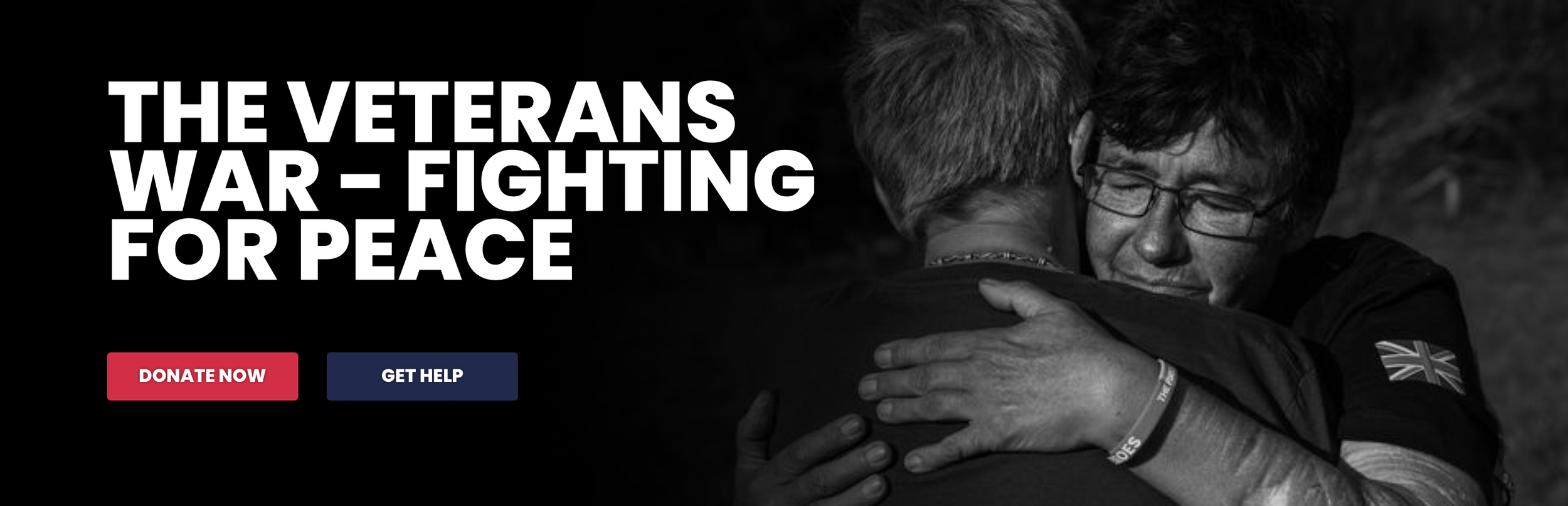
That belief comes through powerfully in the charity’s campaign platform: “fighting for peace after service”.
It is a brilliant example of how storytelling can simplify complexity without losing depth. The issues veterans face can include mental health, physical injury, isolation, financial difficulty, family pressure, transition into civilian life and access to support. Try to explain all of that at once and people can get lost.
“Fighting for peace” gives people a way in.
It connects the military experience with a universal human desire. Everyone understands wanting peace: peace at home, peace in your body, peace in your mind, peace in your life.
That is what good charity storytelling does. It does not simplify because the issue is simple. It simplifies because people need a route into the issue. Once they are in, the human stories can do the deeper work.
Takeouts from our conversation with Beth:
A powerful brand cannot be “owned” by one team. It has to be shared.
The best charity stories simplify complexity without flattening it.
Values matter most when a story is difficult, contested or misunderstood.
Human stories can create unity, even in divided times.
Strategy only resonates when people can see themselves in it.
If you’d like help making your strategy resonate through your organisation, get in touch.
And to help create a lasting change in how society supports veterans after service, find out more here.